
Inclusive Marketing: The Biggest Mistake Brands Still Make
As we celebrate three years (yipee!), I've been thinking a lot about how the agency has evolved and the conversations I've found myself having allllll the time.
When I first started, I simply wanted to build an agency that reflected my values. I wanted to work with good people, support creators in building sustainable careers and connect brands with talent in a way that felt genuine.
As Tall Poppy grew, so did the conversations I was having. I found myself working with creators from neurodivergent, queer, d/Deaf, Disabled, plus-size, and intersex communities, while brands increasingly came to me looking for guidance on creating campaigns that genuinely reflected the communities they wanted to reach.
One thing has become incredibly clear over those three years.
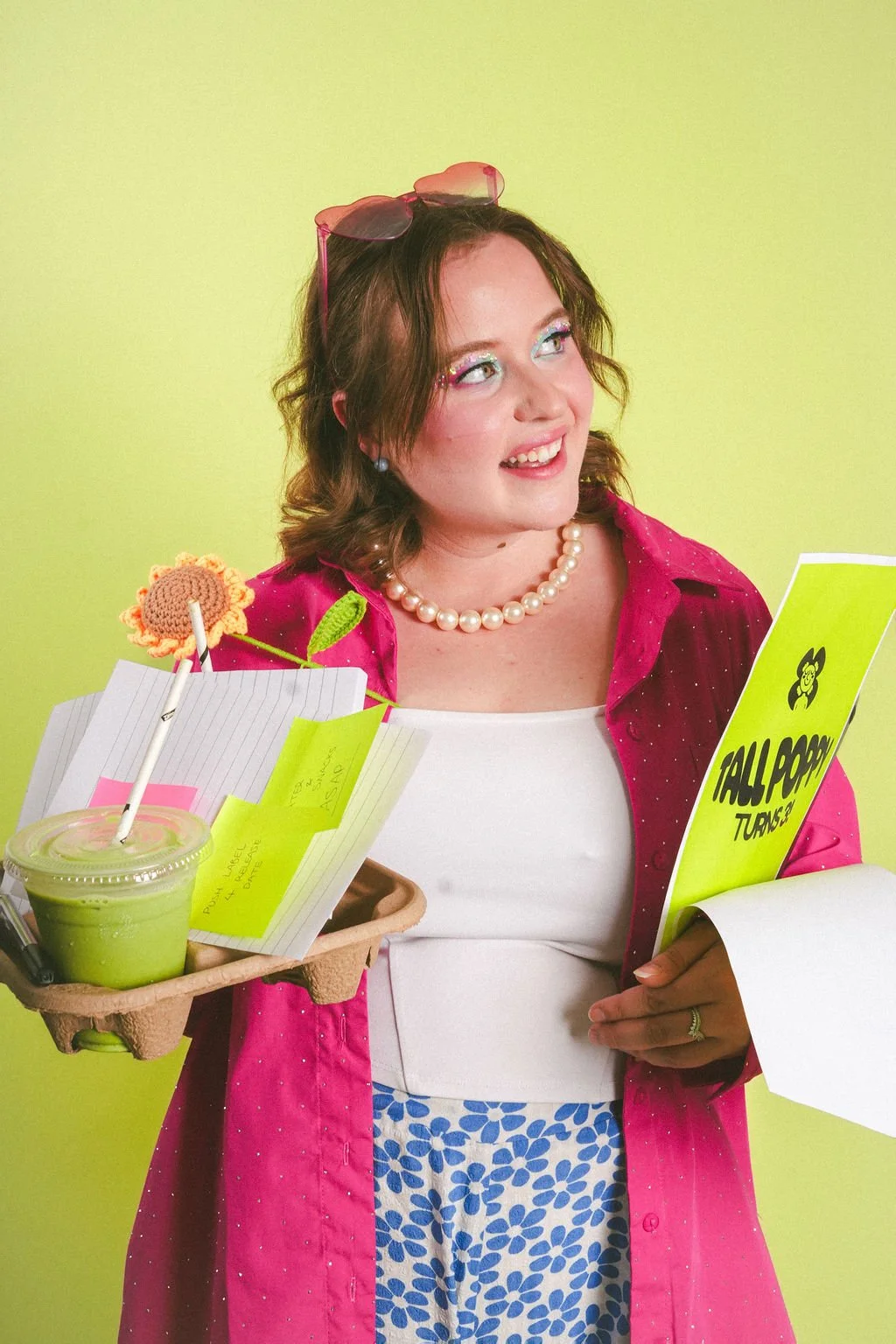
Diversity shouldn't begin at casting.
It should be built into every stage of a campaign.
(say it louder for the people in the back)
It's one of the biggest misconceptions I still see. Most brands genuinely want to do better. They're asking more questions about accessibility, diversity and representation than ever before, and I think that's a really positive shift. What I still see, however, is that those conversations often happen too late.
By the time inclusion enters the discussion, the campaign has often already been planned, the creative direction approved and the budget signed off. The conversation then becomes about finding diverse talent to fit into an idea that was never designed with inclusion in mind.
For me, inclusive marketing has never been about simply finding the right person for a campaign.
It's about asking the right questions much earlier:
Who should help shape this campaign?
Have people with lived experience been involved from the beginning?
Has accessibility been considered from the outset?
Are your internal processes and planning supporting the outcome you're trying to achieve?
When those conversations happen early, the work always feels more authentic.
I've had the privilege of working alongside organisations including the Melbourne Cricket Club, Rod Laver Arena and Melbourne Fashion Week, and every one of those projects has reinforced the same lesson. Whether it's an Auslan Stadium Tour, promoting a sensory-friendly room or developing campaigns with creators whose lived experience strengthens the work, the best outcomes have always come from considering accessibility and inclusion from the very beginning rather than trying to add them later.
One of the biggest shifts in my own thinking has been realising that accessibility doesn't just benefit the people it's designed for. It creates better experiences for everyone.
When accessibility is treated as an essential part of the creative process rather than an optional extra, everyone wins. Campaigns become stronger, audiences feel more connected, and brands create work that genuinely reflects the communities they're trying to reach.
Looking back, I think my understanding of community actually started long before I founded Tall Poppy Mgmt.
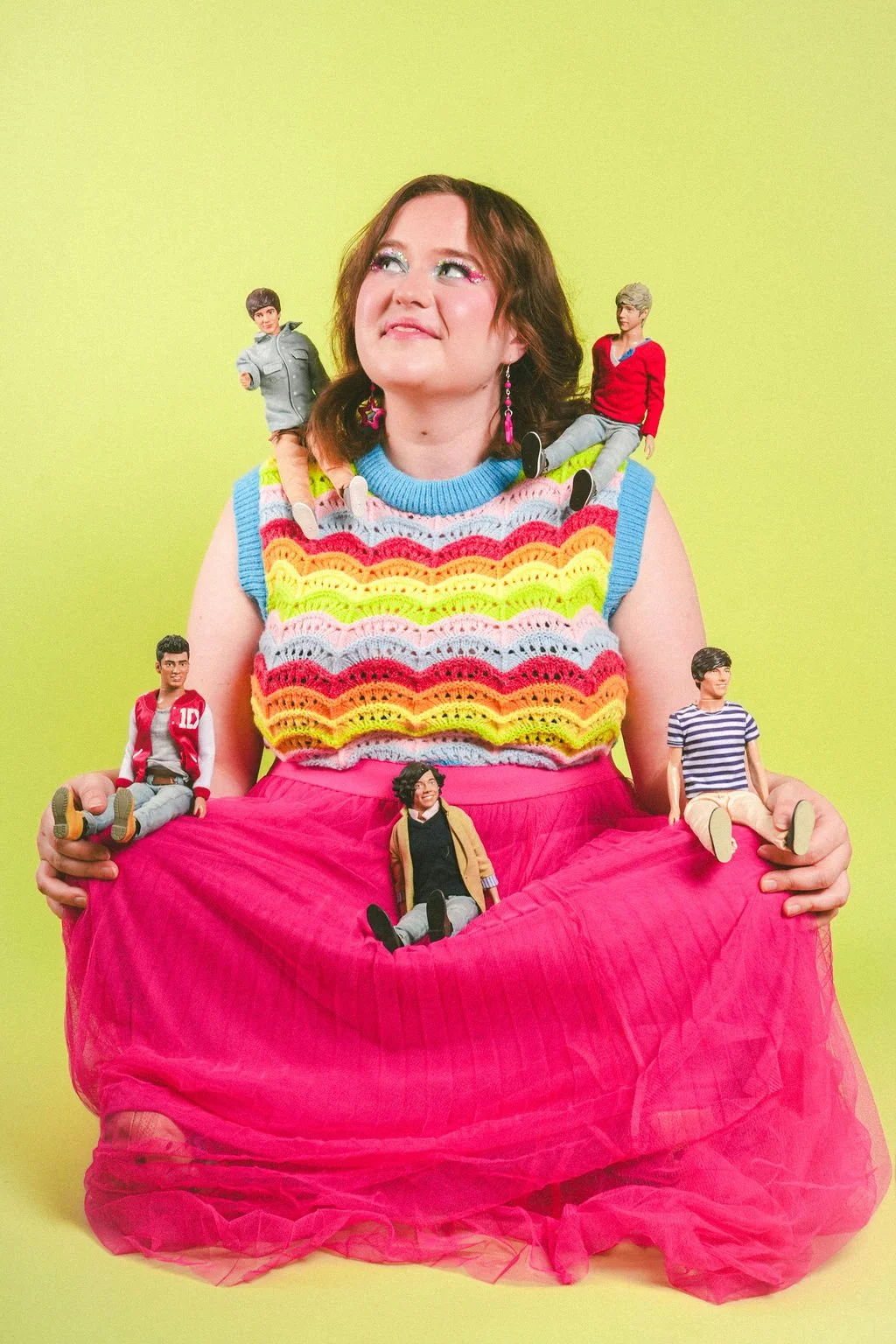
Years ago, I ran one of Australia's largest One Direction Tumblr communities with 35k+ followers
At the time I never imagined that experience would shape the way I approached business, but looking back, it taught me something I still think about today.
People don't connect with campaigns - they connect with communities.
Those communities weren't built because someone had the biggest marketing budget or the most polished content. They grew because people felt understood, welcomed and included. They gave people somewhere they belonged, and I think the best campaigns do exactly the same thing.
The creators I work with don't want to be chosen because they tick a diversity box. They want to contribute. They want to share their perspective, challenge ideas and help create better work. That's why I believe inclusive marketing isn't really about representation alone. It's about collaboration, listening and recognising that lived experience has value long before a campaign reaches the casting stage.
As Tall Poppy Mgmt celebrates its third anniversary, I'm incredibly grateful to every creator, client and organisation that's trusted me to be part of their journey. Every project has challenged my thinking, taught me something new and reinforced why this work matters.
If there's one thing I'll continue encouraging brands to think about, it's this. Don't start by asking who should appear in your campaign. Start by asking who should help shape it.
Because inclusive marketing doesn't begin when you're casting talent. It begins much earlier than that.